
Does Garlic Kill Sourdough? Testing Fresh, Roasted & Powder

Garlic is one of my all-time favorite flavors, but garlic and sourdough don’t always get along.
That’s because a sourdough starter is full of microbes, including yeast and lactic acid bacteria, while garlic is packed with antifungal and antibacterial powers. I think you can see where this is going.
So I decided to run a little kitchen science experiment. How much does garlic throw off fermentation? And how much does the form of garlic make a difference? Raw garlic vs. roasted garlic vs. garlic powder… which one will come out on top?
I set up four jars containing mini versions of my foolproof sourdough bread recipe, each with a different form of garlic, plus a control loaf (a loaf with no garlic). I then captured the whole thing in a time-lapse.
Let’s talk about it.

The Garlic vs. Sourdough Experiment
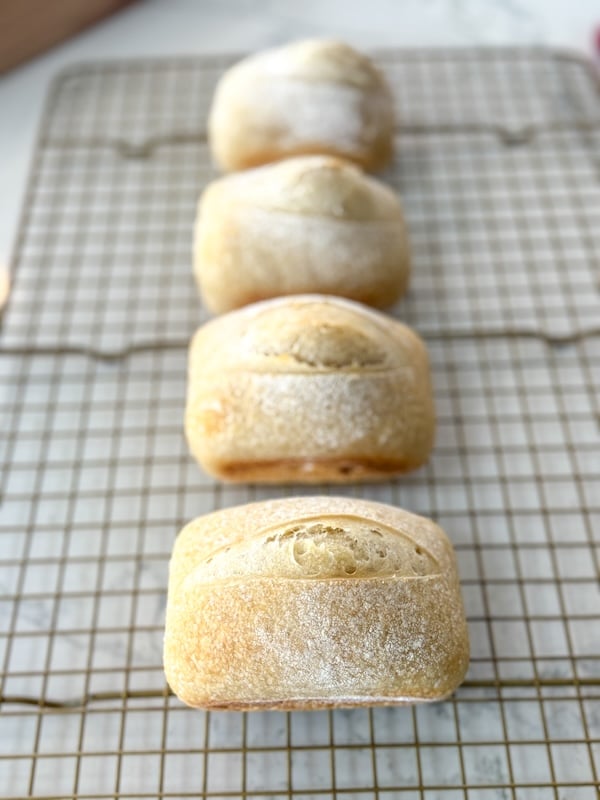
I scaled my go-to foolproof white sourdough bread recipe down to make four mini loaves with 75 grams of flour each so I could compare them side-by-side.
Here’s what went into my mini loaves:
- Control – no garlic
- Roasted garlic – 1 clove
- Garlic powder – ¼ teaspoon
- Raw minced garlic – ½ a clove
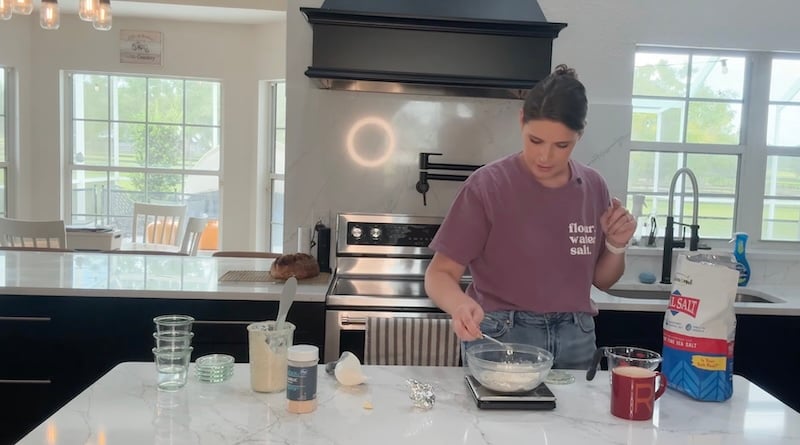
After I mixed the dough, I did one round of slap and folds about 30 minutes in to give the dough a little strength, but I mostly wanted to let the time-lapse show how the dough rose and how the garlic affected it from start to finish.
Once each dough finished fermenting, I shaped it and popped it in the fridge while the others caught up.
How Garlic Impacts Sourdough Fermentation
For reference, my kitchen stayed at about 73°F (23°C), and the bulk fermentation started at 11:45 AM.
Here’s how each mini loaf behaved during bulk fermentation:
- Control: rose exactly like you’d expect. Finished bulk fermentation in just under 7 hours.
- Roasted garlic: almost kept pace with the control, finishing only about 30 minutes later.
- Garlic powder: noticeably slower and a little sluggish, taking around 9 hours.
- Raw minced garlic: sooooo slow. It didn’t finish until 6:00 AM the next morning, a whopping 18 hours and 15 minutes in total. And by then, the texture was really weird thanks to the lactic acid bacteria having all that extra time to turn the dough quite acidic.
The Numbers Breakdown
OK, full disclosure – this is one time-lapse experiment in my kitchen. I’m no scientist, and this is no lab. Many more tests would be needed to get solid averages. But here’s what I observed.
How much longer did bulk fermentation take with garlic?
- Roasted Garlic: 4.9% longer than control
- Garlic Powder: 37.0% longer than control
- Raw Minced Garlic: 172.8% longer than control

Exact Timing Observations:
- Control (no garlic): Finished at 6:30 PM
- Roasted Garlic: Finished at 6:50 PM
- Garlic Powder: Finished at 9:00 PM
- Raw Minced Garlic: Finished at 6:10 AM*
*Yes, you read that right. The next morning.
I’ll admit the fermentation and baking on these mini loaves were very subpar. The tiny jars were tough to work with, and I’m not used to open baking. I did my best here.
But, for the purpose of the experiment, I think we still learned exactly what we needed to know.
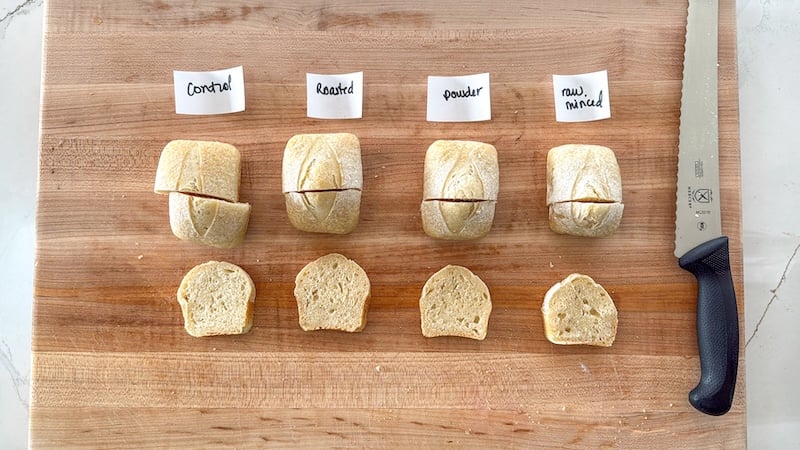
Best Garlic Form for Sourdough Bread (Flavor Test Results)
Of course, rise is only half the story. Flavor matters too. Here’s how each loaf tasted:
- Control: tangy, classic sourdough flavor.
- Raw garlic: a total disaster. Harsh, bitter, like biting straight into a clove. The texture was also horrendous.
- Garlic powder: strong and sharp, with a bit of excess sourness. Not my favorite, but not the worst either.
- Roasted garlic: sweet, mellow garlic flavor. Divine. This one tasted the best to me.
Clear winner: roasted garlic.
Why Different Types of Garlic Behave Differently in Dough
So why did the loaves behave so differently?
It all comes down to allicin, a compound raw garlic releases when it’s chopped or crushed.
Allicin is antifungal and antibacterial, which is awesome if you’re fighting a cold… but not so great if you’re trying to keep the yeast and bacteria alive in your starter.
Scientists have even tested garlic in petri dishes, and you can see big, clear spots where microbes (like the ones in sourdough) literally can’t grow because the garlic compounds are working against them.
You can see the photo (it’s copyright protected, so I can’t share it) right here.
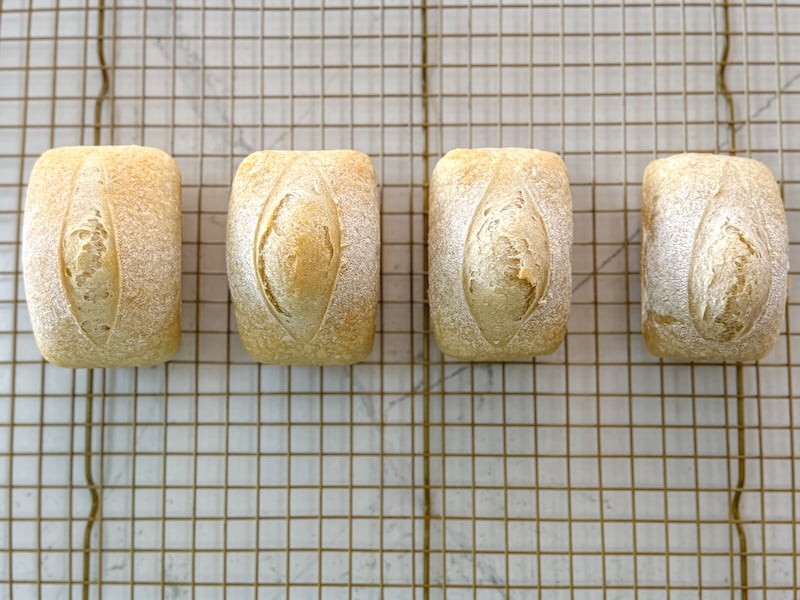
Fresh minced garlic has the most allicin because chopping activates allicin, garlic powder has less since drying weakens the enzyme, and roasted garlic has little to none because cooking destroys the compounds that form it.
That explains why roasted garlic behaved most similarly to the control, and raw garlic basically ruined fermentation.
Tips for Adding Garlic to Sourdough Bread
If you want garlic flavor without sacrificing your rise, here’s my recommendation:
- Roast it first – the best flavor and fermentation results.
- Skip raw garlic in the dough – it slows the rise, ruins the dough texture, and makes the flavor exceedingly harsh.
How to roast garlic: Preheat your oven to 350°F (175°C). Slice off the top of 1 whole head of garlic to expose the cloves. Place it on a square of aluminum foil, drizzle with 2 tsp olive oil, and sprinkle with a Pinch of salt. Wrap tightly in the foil, sealing completely. Pop it directly on the middle oven rack and bake for 45 minutes. You can make it ahead and store in the fridge for up to 4 days or keep it in the freezer for months!
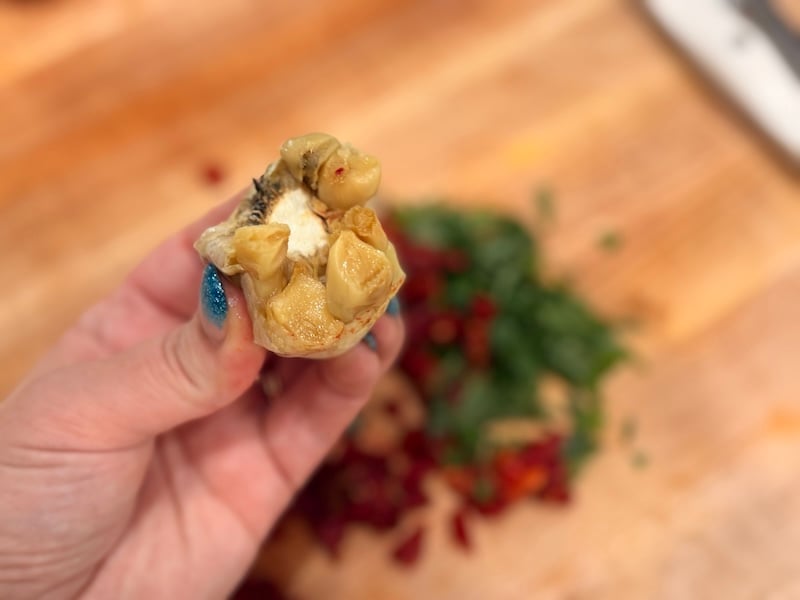
I’ve been developing a tomato basil sourdough bread recipe that includes roasted garlic, and I find adding it during the stretch and fold phase works really well.
Garlic & Sourdough FAQs
Not exactly, but it can definitely slow fermentation down. Fresh garlic, when minced or chopped, releases allicin, an antifungal and antibacterial compound that makes it hard for yeast and bacteria to do their job. Your starter won’t necessarily die, but it will ferment much more slowly.
Adding raw garlic to sourdough usually slows fermentation way down and leaves your bread tasting sharp or bitter. Raw garlic is best avoided in sourdough; roasted garlic is the way to go.
Roast the garlic before adding it to your dough. Roasting it breaks down the compounds that fight your starter, leaving you with a sweet, mellow flavor that doesn’t mess too much with your dough’s rise.
To roast garlic, preheat your oven to 350°F (175°C). Slice off the top of 1 whole head of garlic to expose the cloves. Place it on a square of aluminum foil, drizzle with 2 tsp olive oil, and sprinkle with a Pinch of salt. You can do multiple heads of garlic here if you want!
Wrap tightly in the foil, sealing completely. Pop it directly on the middle oven rack and bake for 45 minutes. You can make it ahead and store in the fridge for up to 4 days or keep it in the freezer for months.
Conclusion
Garlic might be a troublemaker in dough, but it doesn’t have to ruin your loaf.
Roast it first, and you’ll get the best of both worlds: big, caramelized garlic flavor and bread that still rises well.
Happy baking, friends!
Other educational articles you might like:



recipe??? how much do we add and when?
thx
The only recipe on my site that has roasted garlic in it (so far) is the tomato basil bread: https://thatsourdoughgal.com/better-than-paneras-tomato-basil-sourdough-bread-with-a-sweet-glaze/