The Best Dipping Oil for Sourdough Breads
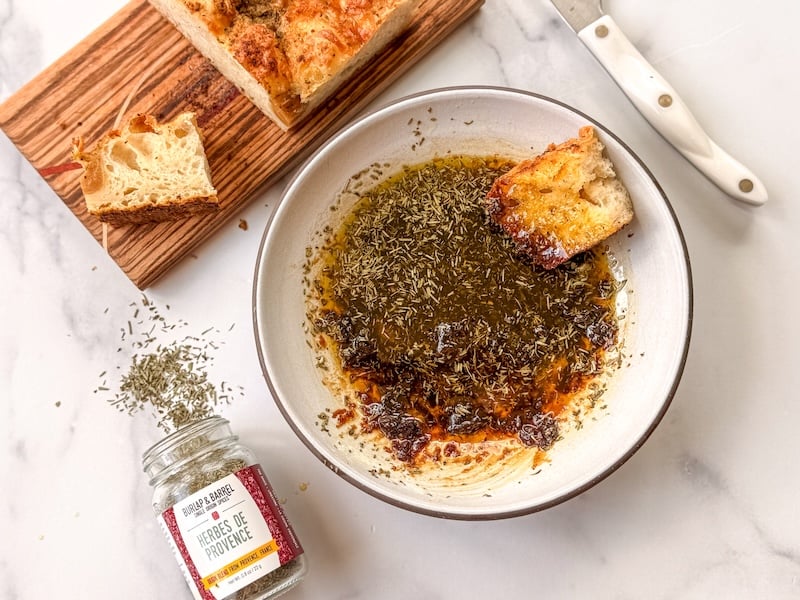
My DMs have been flooded with one question: “What are the measurements for that sourdough bread dipping oil?!”
I’ll be honest – I’m usually a measure-with-my-heart kind of gal, but I got out my scale and made it official.
This bread dipping oil comes together in minutes using ingredients you probably already have, and it’s endlessly customizable.
Throw in different spices, add some minced garlic, raid your sun-dried tomato jar for the leftover oil — there’s no wrong answer here. Get a little crazy!
Disclaimer: Some of the products I recommend in this post are affiliate links – if you choose to purchase after clicking one of my links, I may earn a small commission, which helps fund this website, recipe development, and monthly giveaways. I sincerely appreciate your support.
Why You’ll Love This Dipping Oil for Sourdough Breads
- Simple ingredients: A few basic ingredients come together and taste like something you’d order at a top-tier restaurant.
- Quick but impressive: It feels a little fancy… but takes maybe 2 minutes to make.
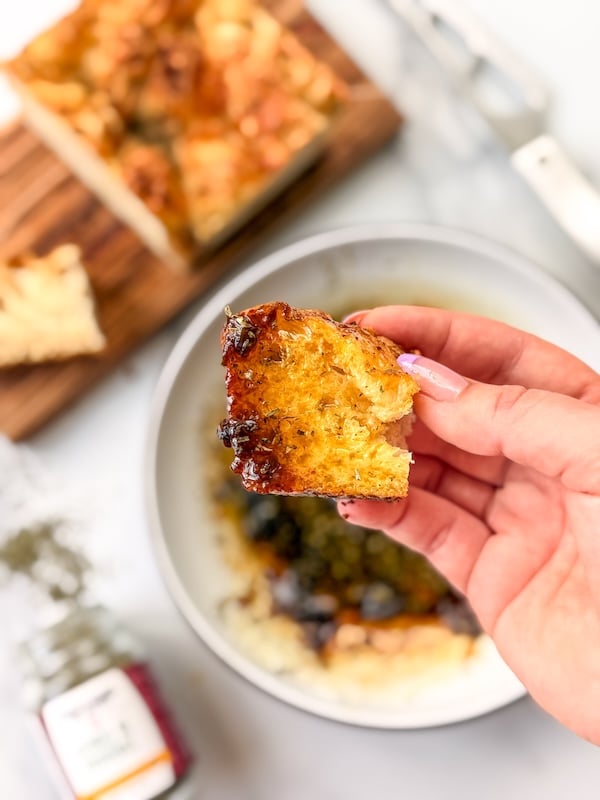
- Make it your signature: You really can’t mess this up, and it’s so easy to make it your own. Give it a few tweaks, and next thing you know, people will be asking for your dipping oil.
- Perfect for gifting: If you’re gifting sourdough that you’ve already put so much love into, adding a little to-go cup of this dipping oil completes the full experience and says, “I wanted you to really enjoy this.”
Ingredients in the Best Dipping Oil for Sourdough Bread
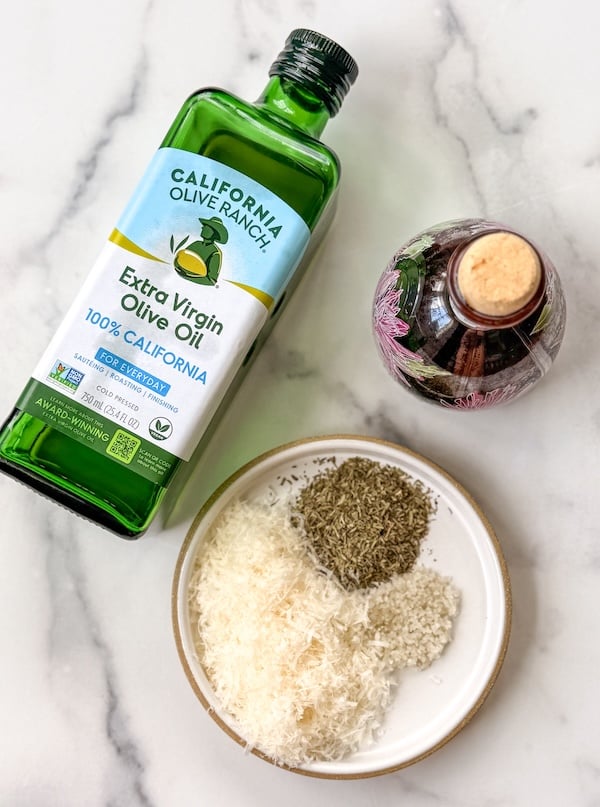
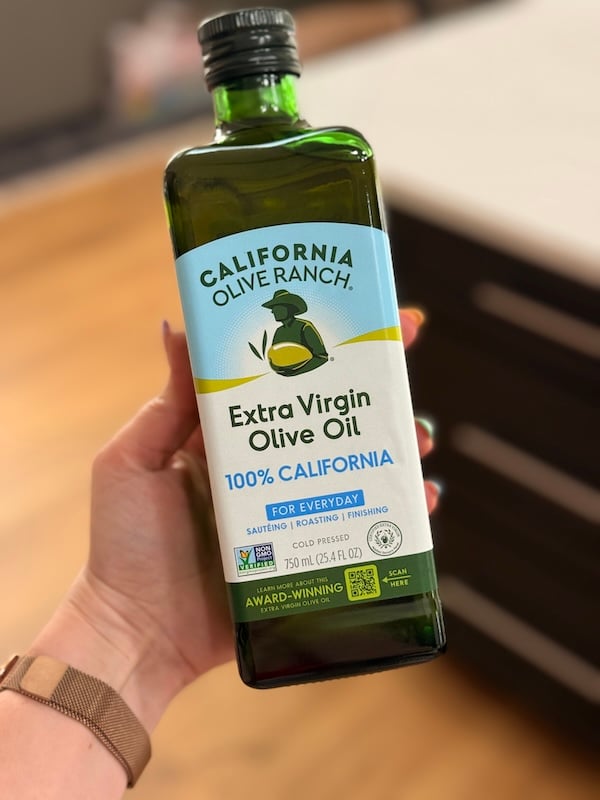
- Extra virgin olive oil: It’s meant to be tasted, not hidden. Get a good one!
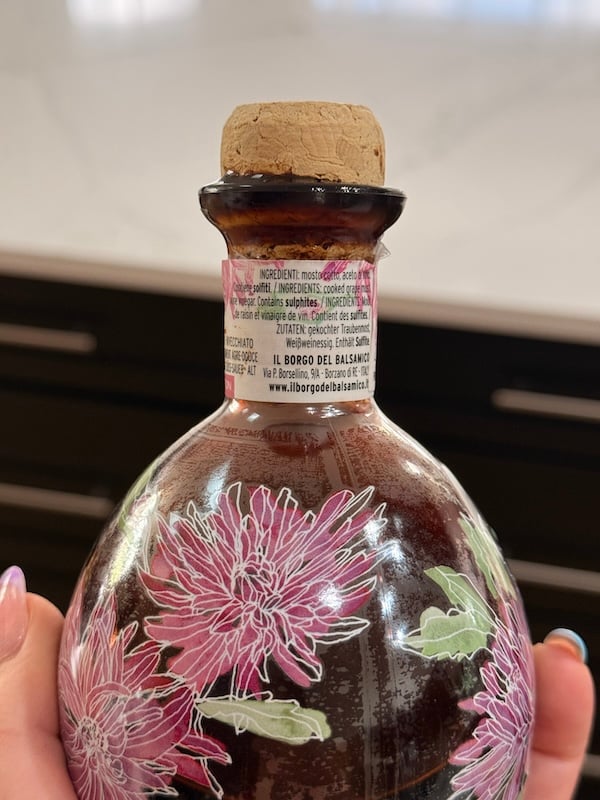
- Balsamic vinegar: The best balsamic for dipping is usually a bit thicker, with a little tang, plenty of depth, and just enough sweetness to balance the oil. The one I’ve been using is often out of stock — some other good options include:
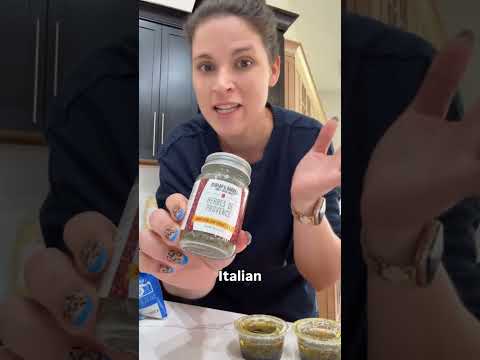
- Herbes de Provence: I like the light, aromatic flavor of this blend. If the Burlap and Barrel blend is out of stock, this one from Frontier Co-op is also a good one. See Variations and Substitutions for other herb ideas.
- Coarse sea salt: Adds a little texture and helps bring everything together.
- Parmigiano-Reggiano: A high-quality, finely grated Parmigiano-Reggiano will add a rich, savory flavor.
Let’s Talk About Ingredient Quality
In a recipe like this, where each ingredient stands out, quality matters more than usual.
The Netflix series Rotten exposes fraud across the food industry, from honey and garlic to wasabi, and if you’re a foodie, it’s worth a watch. It also sent me down a rabbit hole about Parmesan cheese and olive oil.
Two ingredients are especially worth paying attention to here: Parmesan and olive oil.
An FDA investigation found that Castle Cheese Inc. sold products labeled “100% Grated Parmesan Cheese,” carried at Target and thousands of other stores, that contained cellulose, a wood pulp-derived filler, along with cheaper cheeses instead of pure Parmesan. Independent Bloomberg testing found that some store-brand “100% Parmesan” products contained 7.8–8.8% cellulose, well above the 2–4% the FDA allows.
Olive oil is less black-and-white, but the FDA doesn’t routinely test imported olive oil for adulteration. Buying from a reputable brand matters.
What to Look for When Buying High-Quality Ingredients
I’m not naive enough to think everyone can buy the highest-quality ingredients all the time.
Still, it helps to know what to look for. You might be surprised how much junk gets labeled and marketed as “high-quality” when it’s actually full of additives.
Parmesan
- Buy it as a wedge, not pre-grated in a canister
- Look for “Parmigiano-Reggiano” stamped on the rind (this is the real thing)
- Check that the ingredients are simply milk, salt, and rennet — nothing else
Balsamic vinegar
- Look for “Aceto Balsamico di Modena” on the label, along with a PGI/IGP or DOP seal
- Make sure “grape must” is the first ingredient listed
- Avoid products with caramel color, thickeners, added sugar, or water
- Look for “invecchiato” if you want something aged at least 3 years
- For a true splurge, look for DOP in the small 100 ml spherical bottle, which indicates balsamic aged at least 12 years
Easy Variations and Substitutions
- Seasoning: Plain Italian seasoning works well too. You could also mix up your own blend with oregano, basil, thyme, rosemary, or whatever you have on hand.
- Fresh herbs: You can finely chop fresh herbs instead of using a dried herb blend. They’ll give the oil a lighter, brighter flavor and a bit more texture.
- Balsamic vinegar: A good-quality balsamic makes a difference here, but it doesn’t have to be plain. Flavored balsamics can be really fun to play with, and a fig balsamic would be so good in this.
- Oil: I think plain olive oil works best, but you can get creative here — anyone in for garlic or perhaps even truffle-infused olive oil?
- Salt: Flaky sea salt gives you that little pop of texture, but kosher salt works too. You could even use a coarse pink Himalayan salt.
Extra Flavor Add-Ins
- Garlic: Roasted garlic gives a soft, slightly sweet flavor. Fresh minced garlic will taste stronger and more punchy.
- Heat: Add a pinch of red pepper flakes if you like a little kick.
- Black pepper: A few grinds of fresh black pepper add a subtle bite.
- Honey: A light drizzle can balance things out if your balsamic is sharp.
- Lemon: A small squeeze of lemon can really brighten things up, especially if your balsamic is aged and on the sweeter side.
How to Serve, Store, or Gift This Dipping Oil
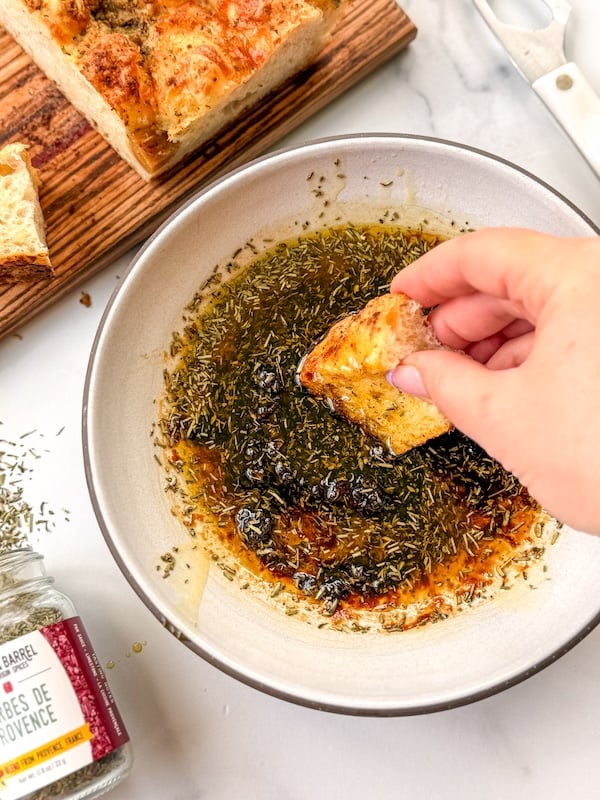
To make this dipping oil, all you have to do is add everything to a small bowl and give it a quick stir.
If you have the time, letting it sit for about an hour before serving really lets the flavors come together.
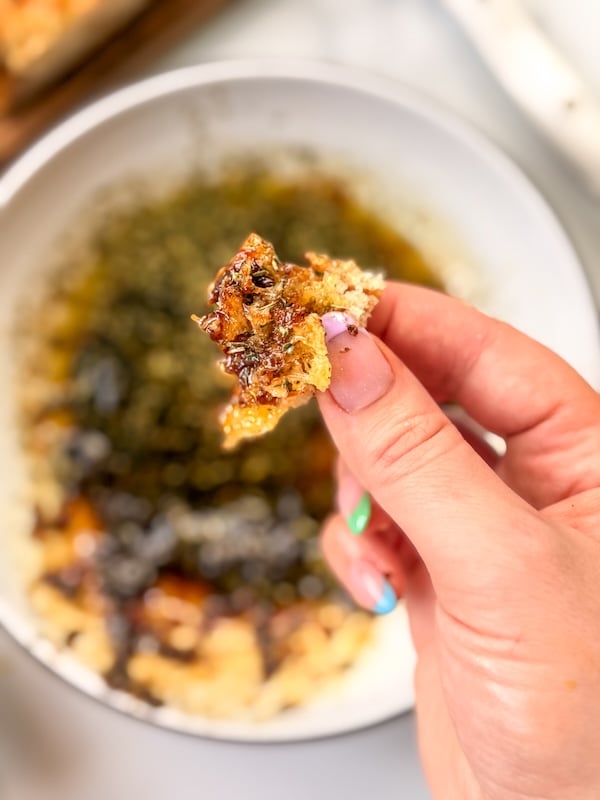
Serve it with your favorite bread, whether that’s a warm sourdough loaf, my Tomato Basil Sourdough Bread, Same-Day Sourdough Focaccia, or even a crusty baguette.
If you’re hosting, pour it into a small dish, add a drizzle of olive oil on top and a sprinkle of herbs, and get to dipping!
Storage Tips
- You can make this ahead of time and store it in an airtight container at room temperature for a day or two, or refrigerate it for up to a week.
- The oil may solidify when chilled, so just let it come back to room temperature before serving. The oil and balsamic will naturally separate, so give it a quick shake or stir before using.
Gifting Tips
I think the easiest way to gift dipping oil is in those little jello shot cups. 😂
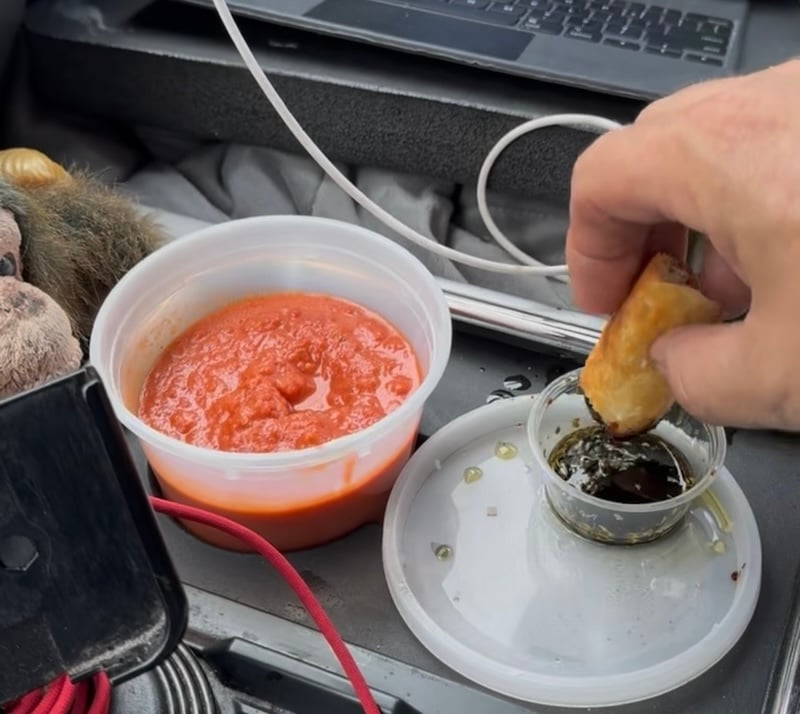
That said, you could also use small glass jars or bottles — tie them with twine and add a little tag if you’re feeling extra fancy!
FAQs
Yes, you can definitely prep dipping oil ahead of time. Letting it sit for a bit actually helps the flavors meld.
Yes! Fresh herbs will give you a lighter, brighter flavor, while dried herbs have a more concentrated taste.
This dipping oil is great with any kind of bread. A classic crusty loaf, an inclusion loaf, focaccia, baguettes. It’s hard to go wrong here.
Yes, this bread dipping oil is great drizzled over roasted veggies or used as a quick marinade for things like chicken or veggies.
The Best Dipping Oil for Sourdough Breads
Equipment
Ingredients
- 100 g extra virgin olive oil
- 30 g balsamic vinegar
- 1 tbsp Herbes de Provence or similar Italian seasoning blend
- 1 tsp coarse sea salt
- 10 g finely grated Parmigiano-Reggiano
Instructions
- In a small mixing bowl, whisk together 100 g extra virgin olive oil, 30 g balsamic vinegar, 1 tbsp Herbes de Provence, 1 tsp coarse sea salt, and 10 g finely grated Parmigiano-Reggiano. Serve with sourdough bread or focaccia!
Notes
Conclusion
I love a fast and simple recipe that always impresses.
I’ll never forget gifting sourdough focaccia to my husband’s colleague – I threw in a little container of this dipping oil and got a video back about how dang good it was!
It’s one of those little extras you’ll end up making again and again.
Other scratch pantry recipes: